Specialist vascular surgical care — tailored to you.
Consultation
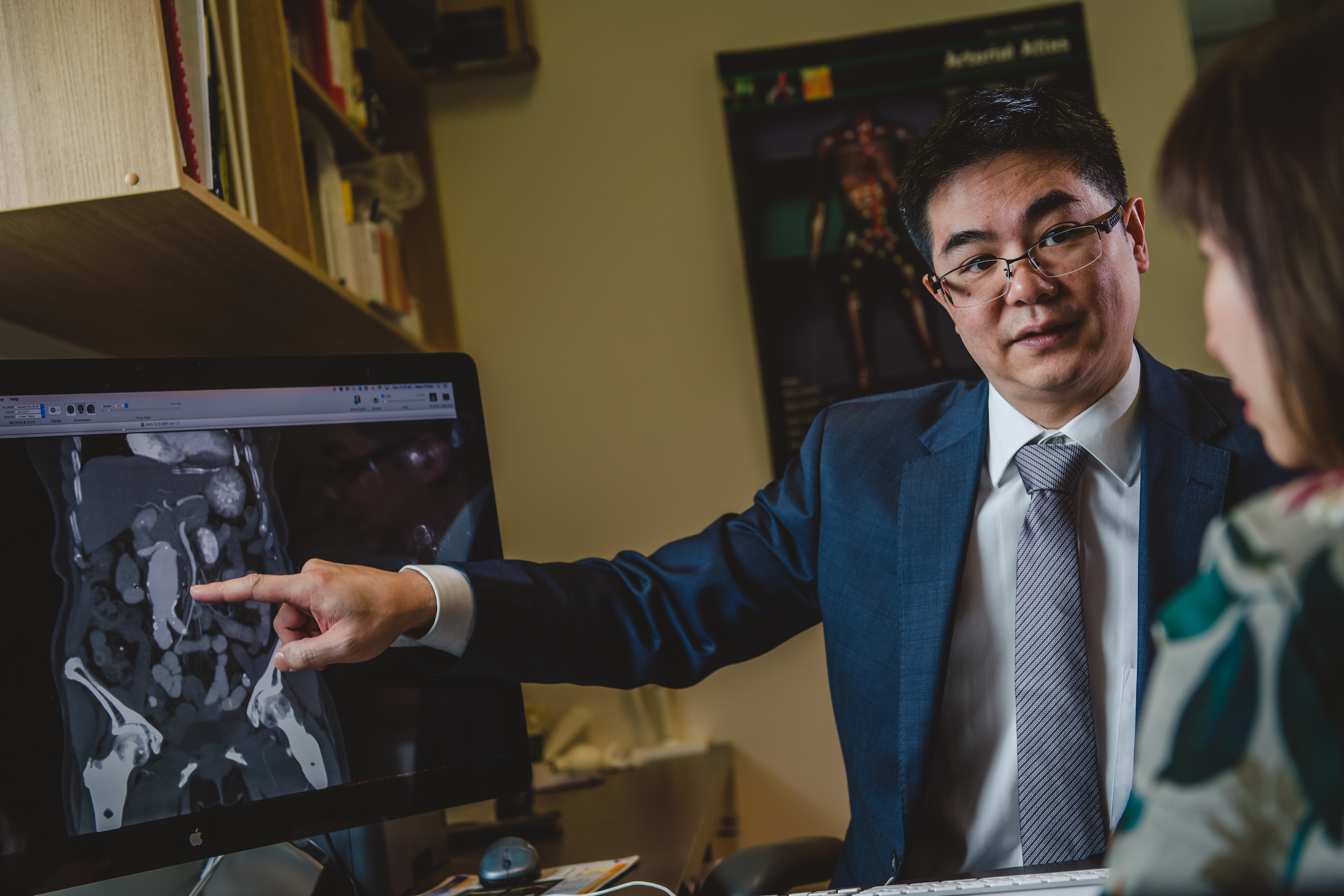
Specialist consultation with a vascular surgeon to understand your condition and priorities.
Investigation
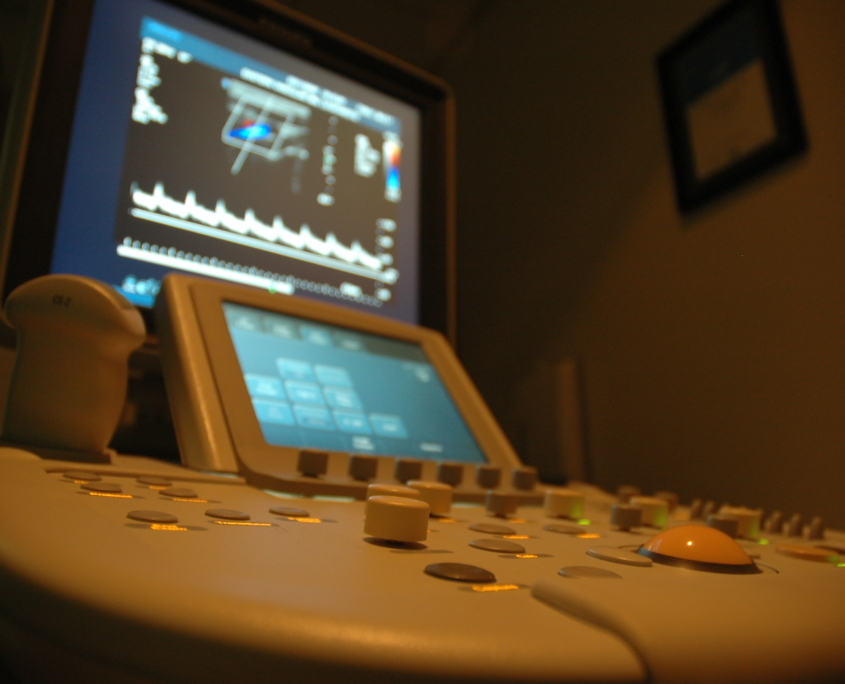
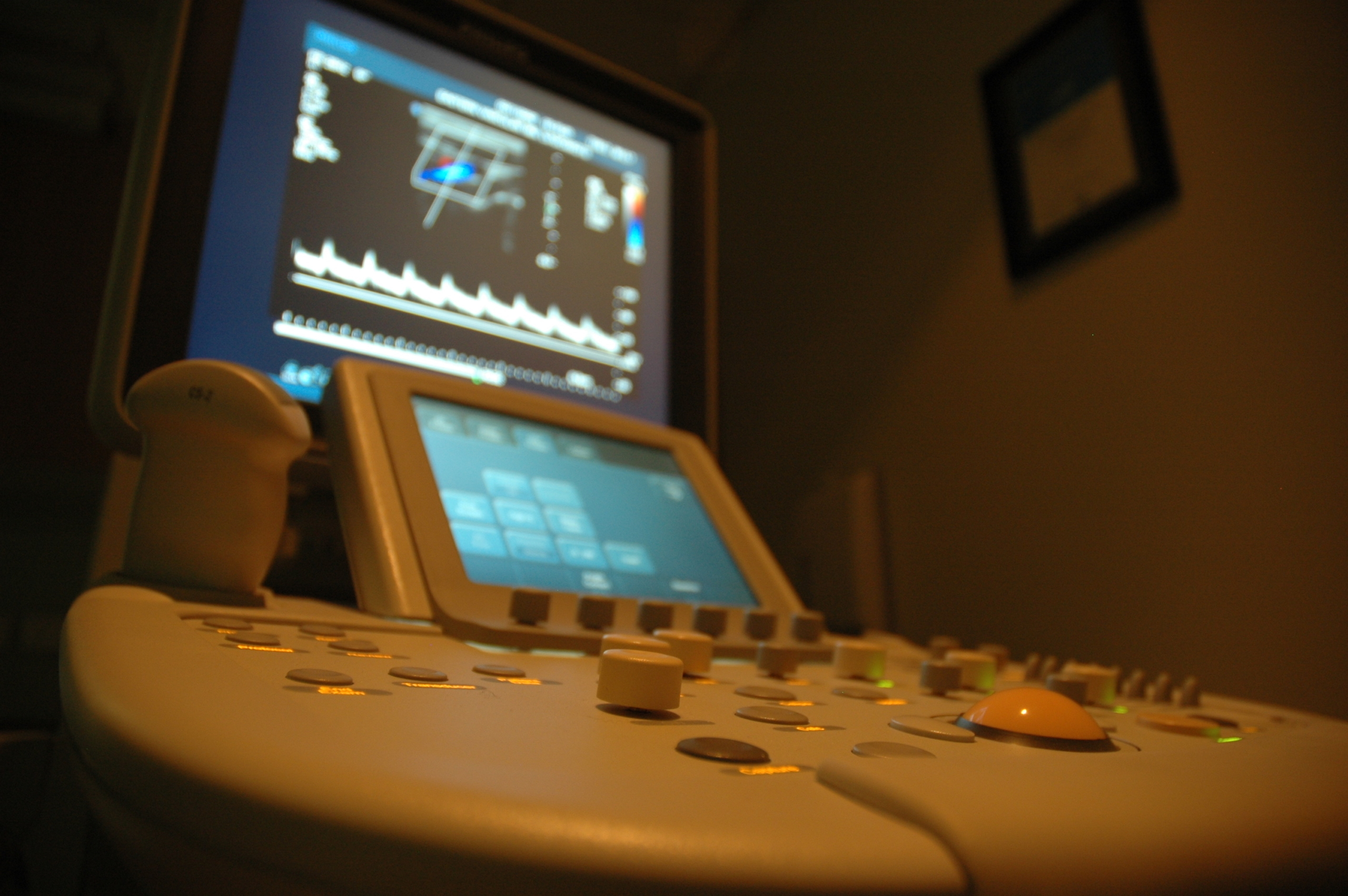
Targeted investigations, including vascular ultrasound and imaging, to guide treatment.
Management
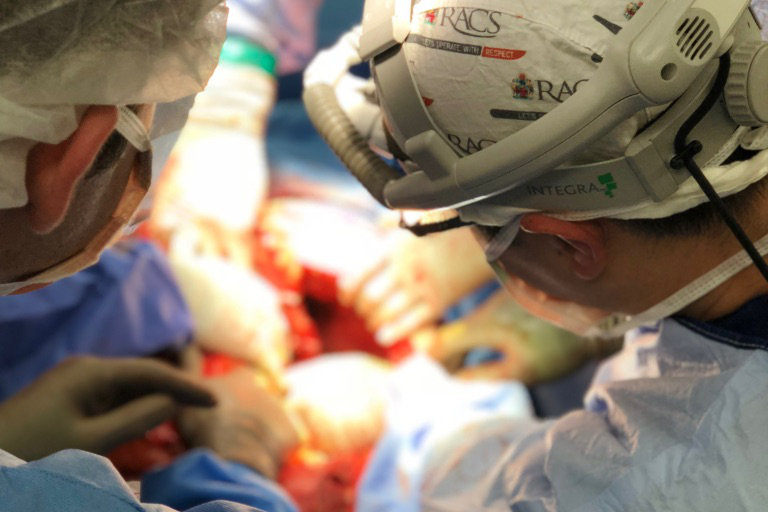
Evidence-based surgical and endovascular treatment with ongoing follow-up.

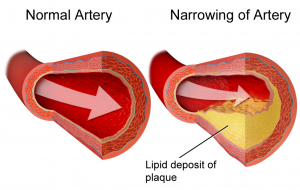
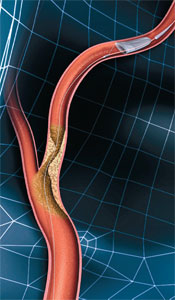
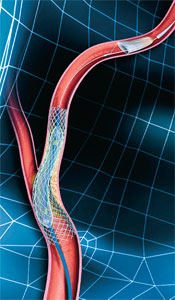
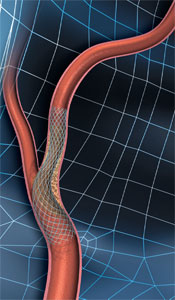
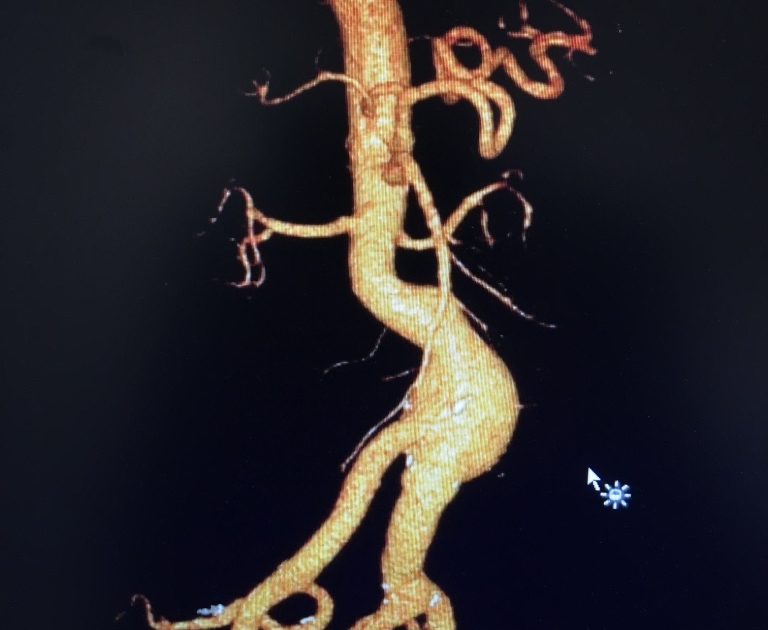
When arteries become narrowed or blocked they can reduce the blood supply to downstream organs. This can include muscles which can cause pain on exercise, or skin which results in persistent wounds or ulcers.
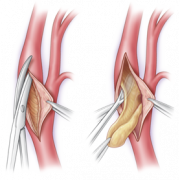
Cholesterol plaque in the carotid arteries of the neck can lead to stroke due to clot or plaque breaking off (emboli). Vascular surgeons can treat and remove these plaques to reduce the risk of future stroke.


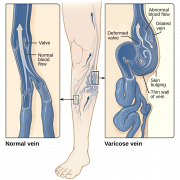
When veins are placed under high pressure, upstream veins just under the skin can become distended and engorged (varicose veins), limbs can swell, and skin damage can develop including pigmentation and ulceration.
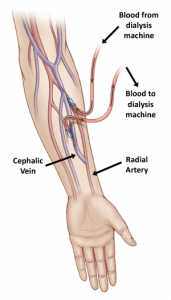
Vascular access involves the placement of catheters, ports or other devices to facilitate the safe and rapid delivery of intravenous fluid or medication, including chemotherapy. Patients requiring haemodialysis often require arteriovenous fistulae to make their life-supporting treatment possible.